
Finding the right Nintendo Switch family games can feel overwhelming with thousands of titles in the eShop. But here’s the thing: the Switch’s hybrid design, play on a TV or in handheld mode, makes it uniquely suited for family gaming sessions. Whether you’ve got a 4-year-old who loves bright colors, a 10-year-old hungry for adventure, or teens who want something everyone can enjoy together, the Switch has exceptional options. This guide breaks down 25+ of the best Nintendo Switch family games across age groups, multiplayer favorites, and genres that actually get families gathered around the screen instead of glued to individual devices.
Key Takeaways
- Nintendo Switch family games excel because the hybrid design supports flexible play modes—docked, handheld, or tabletop—making multiplayer sessions accessible for all ages and skill levels.
- Top multiplayer titles like Mario Party Superstars, Mario Kart 8 Deluxe, and Overcooked 2 combine competitive and cooperative gameplay that keeps families engaged without requiring steep learning curves.
- Young children (ages 4–8) thrive with games like Animal Crossing: New Horizons and Super Mario Bros. Wonder that offer creative freedom and immediate visual feedback without harsh failure mechanics.
- Older kids and tweens find depth in adventure and strategy games like The Legend of Zelda: Breath of the Wild and Fire Emblem: Three Houses, which respect their growing cognitive abilities and reward exploration.
- Successful family gaming sessions require strategic game selection, rotating difficulty settings, and scheduled playtime—mixing competitive, cooperative, and story-driven titles prevents burnout and strengthens connections.
- Nintendo Switch family games prioritize accessibility and fun across demographics; check ESRB ratings, watch gameplay footage, and match game types to your household’s preferences to maximize engagement and prevent buyer’s remorse.
Why Nintendo Switch Is Perfect for Family Gaming
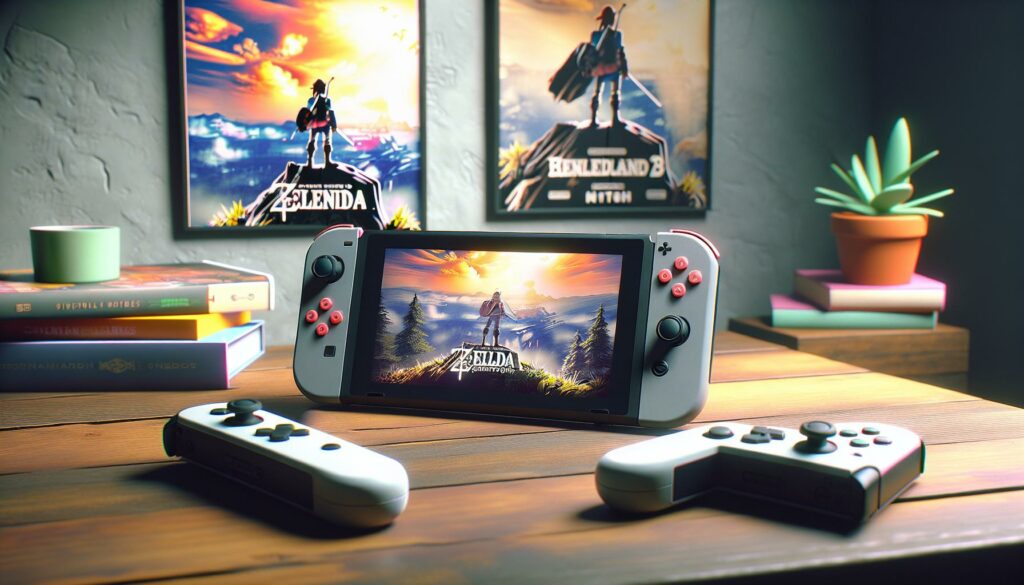
The Nintendo Switch revolutionized how families approach gaming. Unlike traditional home consoles locked to a living room TV, the Switch flexes between docked mode, tabletop mode with detachable Joy-Cons, and portable handheld play. This versatility means your 6-year-old can play Mario Kart on the TV while your teenager handheld plays something else, or everyone gathers around for a co-op adventure.
The library itself skews heavily toward family-friendly content. Nintendo‘s first-party games, Mario, Zelda, Kirby, Animal Crossing, prioritize accessibility and fun over complexity. That doesn’t mean they’re shallow: it means they’re designed so a 5-year-old can press buttons and feel like they’re part of the action, while a 35-year-old finds genuine challenge and depth.
Portability changes everything. You’re not confined to the living room. Road trips, waiting rooms, grandparents’ houses, the Switch goes anywhere. Family gaming becomes something you do together, not something that requires everyone to coordinate schedules and be home at the same time.
The Joy-Con controller design deserves its own mention. They’re small enough for kids’ hands but functional enough for adults. One set of Joy-Cons splits into two controllers instantly, so you don’t need expensive third-party hardware to get multiplayer going. That accessibility matters when you’re choosing between a gaming console and literally anything else competing for family time and budget.
Top Multiplayer Games That Bring Families Together
The best family games are ones that get everyone involved at the same time. These titles excel at mixed skill levels and keep the energy high without requiring a steep learning curve.
Party And Cooperative Favorites
Mario Party Superstars remains the gold standard for family party games. Up to four players compete in mini-games and board game progression. It’s chaotic, unpredictable, and hilarious when your 7-year-old somehow beats everyone at a reaction-based mini-game. The mix of luck and skill keeps matches competitive without feeling unfair.
Super Mario Party (the Switch version, not the older one) landed better than expected. The partner system changes dynamics, you work with someone else, adding teamwork and alliances into the chaos. It’s pure social gaming.
Mario Kart 8 Deluxe is the evergreen family multiplayer title. Four-player split-screen, motion controls for younger kids, and items that keep races unpredictable. Competitive without being brutal. A parent could legitimately win a race against their kids, or a 6-year-old could catch lucky item drops and steal a win. That’s the balance families need.
Overcooked. 2 turns cooking into cooperative chaos. Two to four players manage a kitchen, chop ingredients, cook dishes, and serve customers under time pressure. It’s stressful in the best way, communication and teamwork become essential. Parents and kids work together (or panic together) through increasingly absurd kitchen scenarios.
New Super Mario Bros. U Deluxe delivers side-scrolling platforming with drop-in, drop-out co-op. Younger kids can grab a controller and jump around while older players solve actual puzzles. You’re physically standing next to each other, which creates genuine family moments.
Kirby and the Forgotten Land supports co-op throughout the entire campaign. One player controls Kirby, the other controls a helper character with different abilities. It’s accessible, young kids can mash buttons and have fun, but co-op puzzle-solving keeps adults engaged.
Competitive Games Everyone Can Enjoy
Super Smash Bros. Ultimate tops competitive multiplayer if your family has any fighting game interest. With 89 characters (post-DLC), everyone finds someone they vibe with. It scales from button-mashers having a blast to serious competitors analyzing frame data. Younger kids love the chaos: older kids develop strategies.
Mario Tennis Aces strips tennis down to accessibility without losing competitive depth. Rally modes let you practice, while tournaments and mini-games add flavor. The motion controls work better than you’d expect, and the game reads inputs fairly for both casual and serious matches.
Splatoon 3 represents team-based multiplayer that’s genuinely approachable. You’re painting turf, not aiming for headshots. Kids understand the objective immediately. Ranked modes exist for competitive players, but Turf War (the casual mode) keeps things social and inclusive. Matches run 3 minutes, perfect for family sessions.
Best Games For Young Children (Ages 4-8)
This age group needs games that reward exploration and creativity, don’t punish mistakes harshly, and feature appealing visual design. Overly complex menus are a dealbreaker.
Educational And Fun Titles
Animal Crossing: New Horizons is almost a parenting tool. Your kid gets their own island, decorates it, talks to animals, catches fish and bugs, and gradually unlocks features. There’s no fail state. A 5-year-old can spend hours placing furniture and talking to villagers. It teaches basic resource management without feeling like schoolwork. Plus, you can play together, a parent manages one house while the kid manages another.
Nintendo Switch Sports (the free demo is substantial) includes Tennis, Badminton, Volleyball, and Bowling with motion controls. Young kids absolutely get it. Swing the controller like a tennis racket, and the game registers the motion. They see immediate cause-and-effect, which is exactly what this age group craves. The sports are simple enough that a 5-year-old competes with a 35-year-old.
Pokémon Scarlet or Violet feels like a gateway RPG. The Pokédex mechanic, “gotta catch ’em all”, gives young kids a clear objective that feels rewarding. Battles have turn-based structure, so no time pressure stresses younger players. The open-world design means a 6-year-old can wander around catching Pokémon in a forest while a parent handles gym battles. Finding top toddler games requires checking age ratings, and the Pokémon series has been proven safe and engaging for young audiences.
Colorful Adventures That Capture Attention
Super Mario Bros. Wonder is a masterclass in level design for young kids. Brilliant art direction, creative power-ups, and zero artificial difficulty spikes. Kids see a mushroom, touch it, and something wild happens. The game encourages experimentation. Pirate areas are dark and moody, but the art style keeps things from feeling scary. It’s accessible enough for 4-year-olds (with assistance) while remaining genuinely fun for adults.
Kirby’s Return to Dream Land Deluxe lets kids copy enemy powers and turn into increasingly silly versions of Kirby. A 5-year-old watching Kirby transform into a fire-breathing dragon gets genuine delight. The art style is purposefully cute. Difficulty scales gently, early levels are basically interactive stories, later ones introduce actual challenge.
Yoshi’s Craft World combines adorable aesthetic with surprisingly clever puzzles. Everything’s made of yarn and cardboard, giving the game a handmade charm. Levels are bite-sized, so kids don’t get frustrated grinding through 10-minute stages. Co-op support means you can help without taking over.
Games For Older Kids And Tweens (Ages 9-12)
This is the sweet spot where kids can handle real game mechanics, want genuine challenge, and care about progression systems. They’re developing preferences, some want adventure, others want puzzles or competitive play.
Adventure And Puzzle Games
The Legend of Zelda: Breath of the Wild is arguably the best game on Switch, period. A 9-year-old can spend 100 hours exploring, solving puzzles, and discovering secrets at their own pace. There’s no right way to approach objectives, you can stealth around enemies, fight directly, or solve your way past them with physics and creativity. The art style holds up perfectly. Every hill hiding potential discovery keeps exploration rewarding. This is one of those games where a parent and kid actually play together, trading the controller and discussing strategy.
The Legend of Zelda: Tears of the Kingdom doubles down on that open-ended design with building mechanics. Fuse weapons together, craft solutions, and solve puzzles in dozens of ways. Older kids gravitate toward open-world games naturally, and Zelda respects their intelligence.
Metroid Prime Remastered works for confident 9-to-12-year-olds. It’s a first-person adventure (not a shooter, no violence against humanoids) focused on exploration and puzzle-solving. Lock-on targeting removes aiming complexity, making it accessible for younger hands. Discovering new areas and abilities provides constant dopamine hits.
Puzzle games like Portal 2 (available on Switch) and The Witness appeal to logical thinkers. Portal 2’s campaign is hilarious, with portal-based puzzle-solving that scales from easy to genuinely difficult. The Witness is purely environmental puzzles on an island, zero story, pure observation and logic.
Strategy And Skill-Building Options
Fire Emblem: Three Houses scratches the strategy-game itch. It’s a tactical RPG where positioning matters, unit relationships matter, and long-term planning shapes outcomes. Older kids who like chess-like gameplay get invested. The school-life segments feel modern, hanging out with characters, learning their backstories, building bonds.
Advance Wars 1+2: Re-Boot Camp revitalized a dormant series. Turn-based strategy that’s easy to learn but deep enough for multiple playthroughs. Map control, resource management, and unit matchups create decision trees. No time pressure means kids think through moves.
Splatoon 3 hits differently for older kids. Competitive team-based multiplayer with mechanics that reward communication and positioning. Ranked modes provide legitimate progression. Older kids bond over team strategies and personal rank improvements.
Family-Friendly Games For Teens And Adults
The sweet spot where teens develop independent gaming taste but family gaming still happens. Games that don’t alienate older players while remaining appropriate for everyone.
Story-Driven Experiences
Xenoblade Chronicles series (1, 2, 3) offers massive RPGs with real narrative depth. Characters matter, world-building is intricate, and combat, while flashy, is strategic. Teens and parents can play simultaneously on different profiles and actually discuss plot points and character arcs like a TV show. XC3 especially nails this, 100+ hour campaigns that tell a cohesive story. The cinematography rivals AAA productions.
Octopath Traveler and Octopath Traveler II combine retro-inspired visuals with modern storytelling. Eight interconnected character stories with job-based combat systems. Turn-based means no reflexes matter: strategy does. Older players appreciate the narrative depth and challenging optional bosses. Younger teens grasp the mechanics.
Fire Emblem: Engage landed better with mainstream audiences than Three Houses. Smaller learning curve, similar depth. Character relationships drive engagement. A 14-year-old and parent both get invested in unit builds and story outcomes.
Casual Games That Appeal To All Skill Levels
Ring Fit Adventure deserves mention as the bridge between gaming and fitness. It’s legitimately a game (you fight enemies with exercises) and legitimately exercise. Families work through campaigns together or compete on workouts. It’s gimmicky-but-functional, and parents actually use it because the game structure makes exercise feel like gaming rather than a chore.
Stardew Valley transfers perfectly to Switch. A meditation on farm life and community. Real progression, crops grow, relationships deepen, secrets unlock, but zero time pressure. Play at your own pace. Families can share a farm or maintain separate ones. Teens find it relaxing: adults find it weirdly addictive.
Spiritfarer is a management game mixed with emotional storytelling. You ferry spirits across to the afterlife, manage a boat, grow crops, and say goodbye. It sounds sad (it is, sometimes) but incredibly meaningful. Teens especially appreciate the themes about loss and memory. Parents cry. Families talk about it afterward.
Unpacking is a zen puzzle game where you unpack belongings into new homes through life stages. No combat, no timer, pure relaxing environmental storytelling. 30-minute sessions keep it bite-sized. The aesthetic is gorgeous, pastel colors, cozy atmosphere.
How To Choose The Right Family Game
With hundreds of options, knowing what fits your family prevents buyer’s remorse. Approach selection strategically based on your household’s actual gaming habits.
Consider Age Ratings And Content
The ESRB rating system (Everyone, E10+, Teen, Mature) exists for good reason. That said, ratings are conservative. An E10+ game might work fine for a mature 8-year-old: a Teen game might alienate a sensitive 13-year-old. Read specific content descriptors. “Mild Violence” in Mario means cartoony enemy defeats. “Violence” in a different game context means something else entirely.
Check gameplay videos (YouTube walkthroughs are goldmines here). See actual gameplay instead of trusting marketing. Watch 10 minutes of footage, you’ll know instantly if your kid would engage.
Beyond ratings, consider your family’s comfort level. Some households are fine with fantasy violence: others prefer zero combat. Some love competitive chaos: others want coop collaboration. There’s no wrong answer, just know yourselves.
Match Game Types To Your Family’s Preferences
Ask yourself: Does your family play together or prefer solo play? Solo games (Animal Crossing, story-driven RPGs) work if each person has a Switch. Multiplayer games require sharing hardware or buying multiple copies.
Do people want fast-paced action or strategic thinking? Racing and party games deliver immediate results. Turn-based RPGs and puzzlers reward patient planning.
How much time do sessions last? Splatoon matches (3 minutes), Mario Kart races (4 minutes), and mini-games keep sessions short. Story campaigns demand 10+ minute play sessions and benefit from save points.
Consider skill variation. If there’s a huge gap between players, look for games with difficulty adjustment (Mario games, Pokémon) or built-in handicapping (Mario Kart gives items based on position).
Multiplayer games get repetitive if they’re all competitive, everyone beating everyone else creates tension. Mix competitive (Mario Kart), co-op (Overcooked, New Super Mario Bros), and solo-but-shared (taking turns in Zelda) games to vary family dynamics. Recent gaming resources often highlight the importance of balanced game selection for family sessions, with experts noting that variety prevents burnout.
Tips For Maximizing Family Gaming Sessions
Having the right games matters, but execution determines whether family gaming becomes a beloved routine or a forgotten purchase.
Set expectations beforehand. Announce game sessions in advance. “Hey, after dinner, we’re doing a Mario Kart tournament” gives people something to look forward to and prevents the feeling of random interruption. Scheduled gaming hits different psychologically, it’s an event, not an intrusion.
Establish controller rotation. In multiplayer games, players inevitably take losses. Rotating controllers (winner stays, loser sits next game) keeps everyone engaged. If someone’s benched too long, they check out. Rotation keeps people invested.
Adjust difficulty and handicaps freely. Mario Kart lets you add AI racers or adjust vehicle specs. Use those features. If one player dominates every race, give them a slower kart. If someone struggles constantly, add items-only mode where luck matters more than skill. Gaming should feel fair and fun, not humiliating.
Play games you actually enjoy. If a parent hates party games, don’t force them into Mario Party every session. Play some Zelda, some Splatoon, some co-op campaigns. Everyone having fun matters more than everyone playing the same game. Bring diverse titles to the table across genres and paces.
Use commentary and running jokes. Gaming sessions become memories when people are laughing and talking. Kids remember not just winning, but what someone did that was hilarious, or the comeback story, or the time someone accidentally self-destructed. Create those moments by keeping energy high and celebrating both victories and disasters.
Balance gaming with other activities. Family gaming is a tool for connection, not a substitute for other interaction. Use it alongside movie nights, board games, sports, and conversation. Gaming’s power is that it lowers social anxiety, you’re collaborating or competing against a game together, which makes organic conversation easier. Let that be the advantage.
Take breaks between sessions. Kids’ attention spans are real. A 1-2 hour gaming session for young kids, 2-3 hours for older kids/adults works better than all-day marathons. Quality matters more than quantity. Two solid 90-minute sessions beat four hours of declining engagement. Nintendo Switch game rental services can help families test titles before committing, which extends gaming variety without constant purchases.
Conclusion
The Nintendo Switch’s combination of flexible hardware, diverse library, and accessibility-focused design makes it the best modern console for family gaming. From young kids discovering games for the first time to adults rediscovering gaming through their family, the Switch meets everyone where they are.
The 25+ games mentioned here represent different ages, preferences, and gaming styles. The best family game isn’t the most popular or critically acclaimed, it’s the one your household will actually play together repeatedly. Start with your family’s interests, try games, and be willing to adjust recommendations based on what actually happens in your living room.
Family gaming isn’t about forcing bonding or treating games as educational tools (though learning happens naturally). It’s about creating space for people you live with to have fun together, laugh at stupid moments, celebrate wins, and build inside jokes. The Switch makes that possible at a price point and accessibility level that older consoles never matched. That’s why, after years of gaming, families keep coming back to it. Gaming guides from reputable sources consistently identify the Switch as the top platform for multigenerational play, and for good reason, the platform simply delivers.